
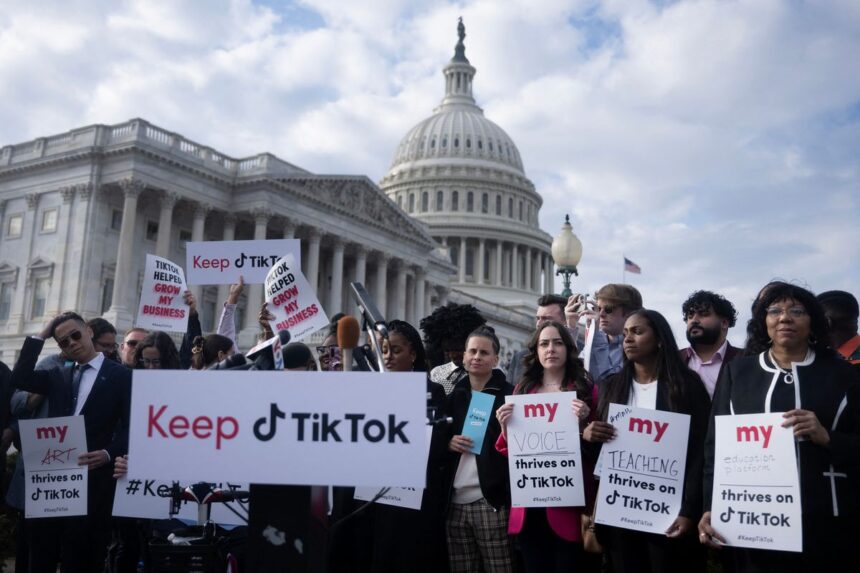
In the fast-paced realm of social media, few platforms have garnered as much attention and controversy as TikTok. Since its inception in 2016, the short-form video app has skyrocketed in popularity, particularly among younger demographics. However, TikTok’s rapid rise has been accompanied by a slew of concerns, particularly from the United States Congress, ranging from national security to data privacy.
TikTok, owned by Chinese tech giant ByteDance, captivated users worldwide with its addictive format of short videos set to music. Its user base exploded, making it a cultural phenomenon and a dominant force in the social media landscape.
Congressional scrutiny of TikTok was prompted by fears that the app’s ties to a Chinese company could compromise national security. Lawmakers raised concerns that TikTok might be compelled to hand over user data to the Chinese government under Chinese law, posing a potential threat to U.S. interests.
In addition to national security worries, TikTok has faced allegations of questionable data privacy practices. Critics have accused the app of collecting vast amounts of user data without proper consent and sharing it with third parties. These practices have raised significant concerns about user privacy and data protection.
Congressional committees have conducted multiple investigations into TikTok’s operations and data policies. Hearings have been held where TikTok executives were grilled on issues related to data security, privacy, and potential foreign influence. These investigations have played a crucial role in shedding light on TikTok’s practices and holding the company accountable.
Former President Donald Trump’s administration issued executive orders seeking to ban TikTok from operating in the United States, citing national security concerns. This sparked legal battles and uncertainty about TikTok’s future in the U.S. market. However, these efforts faced challenges in court, highlighting the complexities of regulating a global technology platform.
TikTok has vehemently denied allegations of sharing user data with the Chinese government and has taken steps to address concerns raised by Congress and regulators. The company has emphasized its commitment to user privacy, including appointing U.S.-based executives and exploring options to restructure its ownership.
In response to the TikTok controversy, members of Congress have proposed various legislative measures aimed at addressing concerns related to data privacy and national security. These proposals seek to increase oversight of Chinese-owned technology companies and strengthen data protection laws.
TikTok has faced legal challenges and regulatory requirements aimed at ensuring compliance with U.S. laws and regulations. The company has implemented stricter data security measures, enhanced transparency regarding its data practices, and established partnerships with third-party auditors to verify its compliance.
The issues surrounding TikTok and Congress have international implications, reflecting broader concerns about the influence of Chinese technology companies and the global competition for technological dominance. The outcome of regulatory actions against TikTok in the United States could set precedents for how other countries address similar concerns.
The relationship between TikTok and Congress is likely to continue evolving as lawmakers grapple with balancing national security interests, data privacy concerns, and regulatory oversight. TikTok’s willingness to address regulatory concerns and cooperate with lawmakers will shape its future in the U.S. market and beyond.
TikTok’s interactions with the United States Congress highlight the complexities and challenges of regulating global technology platforms. The app’s rapid rise has raised significant concerns about national security and data privacy, prompting congressional investigations and legislative proposals. As TikTok navigates these challenges, its ability to address regulatory concerns and maintain transparency will be crucial in determining its long-term viability in the United States and other markets.