
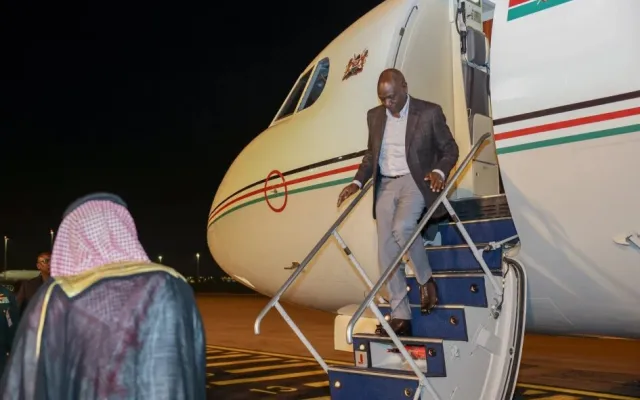
In Kenya, a growing disconnect festers between the actions of the political elite and the harsh economic realities faced by its citizens. At the heart of this disconnect is President William Ruto, whose penchant for international travel and the lavish spending on State House renovations starkly contrasts with the daily struggles of ordinary Kenyans. This article aims to dissect these actions amidst Kenya’s socio-economic landscape, probing the implications of such governance decisions.
Kenya, a nation vibrant with potential, grapples with significant economic challenges. With an unemployment rate soaring, especially among the youth, and inflation rates that erode purchasing power, the economic plight of many Kenyans is palpable. These challenges are exacerbated by a public debt burden that strains the national budget, limiting public service funding and hampering economic growth prospects.
Amid these economic challenges, the actions of President Ruto have come under intense scrutiny. His numerous international trips, purportedly for fostering diplomatic relations and attracting foreign investment, have reportedly consumed substantial public funds. Meanwhile, the State House renovations, characterized by critics as an unnecessary luxury, symbolize a prioritization that seems misaligned with the country’s pressing needs.

President Ruto’s diplomatic excursions, while beneficial in theory for establishing global partnerships, beg the question of cost-effectiveness. Critics argue that the financial outlay for these trips could be better invested in domestic programs directly impacting the populace’s welfare. The lack of transparency regarding the actual benefits of these travels further fuels skepticism, leading to allegations of fiscal irresponsibility.
The renovation of the State House, with its significant financial implications, represents a contentious issue. In a country where many citizens lack access to basic services like healthcare and education, the opulence of the presidential residence stands as a stark reminder of the disparities in wealth and power. This expenditure has become a symbol of the perceived disregard for the common good, prompting accusations of a governance style marred by profligacy and detachment.
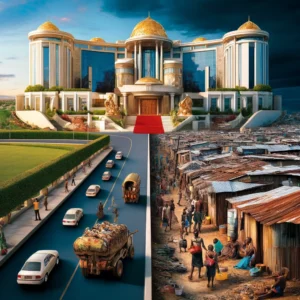
The juxtaposition of lavish state spending against a backdrop of economic austerity has not gone unnoticed by the Kenyan public and the international community. The outcry is not just about the expenditures themselves but also about what they represent: a governance philosophy that seems indifferent to the socioeconomic realities of the nation’s majority. This public sentiment is echoed in media reports, social media discussions, and political debates, where calls for accountability and prudent fiscal management grow louder.
Examining similar scenarios globally reveals that Kenya is not alone in facing criticism over government spending. However, the unique context of Kenya’s economic indicators and the timing of such expenditures amidst austerity measures magnify the scrutiny. The balance between necessary state functionality and perceived excess becomes a delicate dance, with varying implications for political legitimacy and public trust.
In light of these considerations, President Ruto’s administration faces a critical juncture. The need for a governance approach that harmonizes diplomatic and administrative duties with fiscal prudence and empathy for the populace’s hardships is paramount. As Kenya navigates its economic trajectory, the actions of its leaders, especially in terms of spending, remain a litmus test for their commitment to the nation’s holistic well-being.
In sum, the discourse surrounding President Ruto’s international trips and State House renovations offers a window into the broader challenges of governance in Kenya. It underscores the urgent need for a governance model that is not only economically sustainable but also socially equitable, ensuring that the aspirations and needs of all Kenyans are genuinely prioritized in the national agenda.