

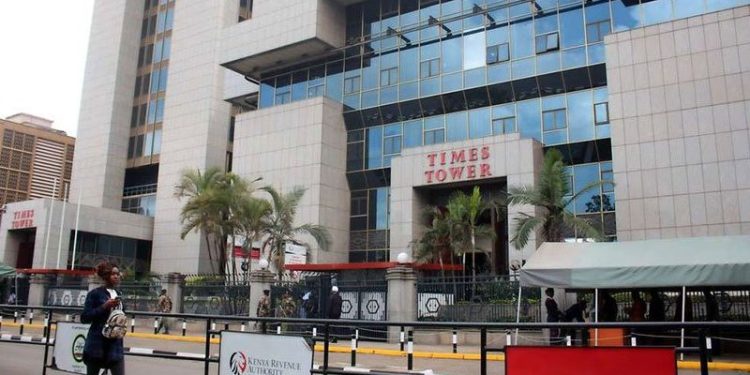
The Kenya Revenue Authority (KRA)’s decision to disqualify 133 candidates from its recruitment process for being HIV positive or pregnant has ignited a firestorm of controversy, casting a spotlight on the broader issues of employment discrimination, legal compliance, and human rights in Kenya. This incident, which seemingly flies in the face of both national and international labor laws, raises critical questions about workplace equality, the stigmatization of health conditions, and the responsibilities of employers in upholding ethical standards.
Legal and Ethical Landscape in Kenya
To fully understand the ramifications of KRA’s actions, it is essential to delve into the legal and ethical framework governing employment in Kenya. The Kenyan Constitution enshrines the principle of equality and non-discrimination, asserting every individual’s right to fair treatment. Specifically, Article 27 prohibits discrimination, direct or indirect, on various grounds including health status, pregnancy, or any other status. Moreover, the Employment Act of 2007 and the HIV and AIDS Prevention and Control Act of 2006 provide a solid legal basis against discrimination in employment based on one’s health condition or pregnancy.
International commitments further bind Kenya to uphold these standards. As a member of the International Labour Organization (ILO), Kenya has ratified conventions that advocate for equality and non-discrimination in the workplace, notably ILO Convention No. 111. These laws and conventions collectively form a robust legal framework designed to foster an inclusive and fair work environment.
Implications of KRA’s Decision
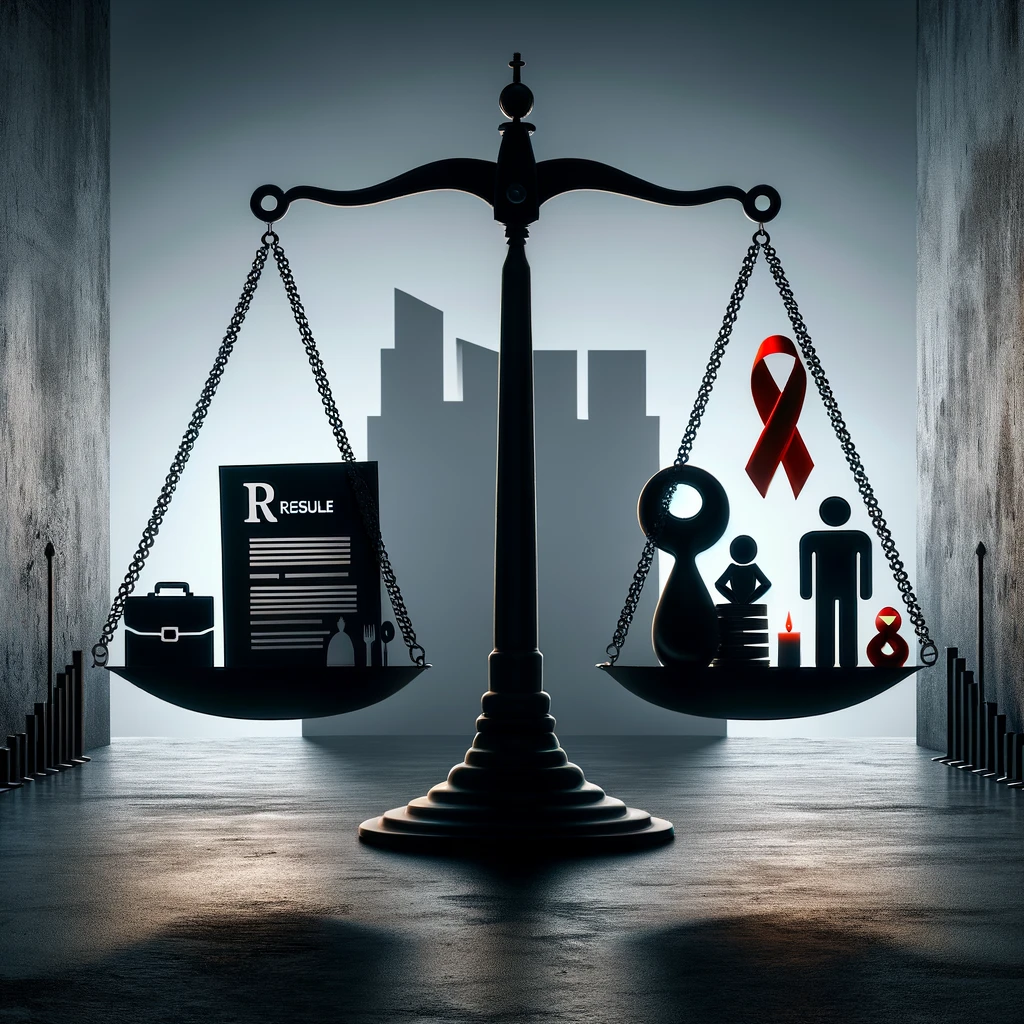
The decision by KRA not only poses a direct challenge to these legal protections but also brings to the fore the persistent stigma associated with HIV/AIDS and pregnancy in the workplace. Discriminating against individuals based on these grounds can have far-reaching consequences, both for the individuals affected and for the organization involved. For the candidates, it represents a denial of not just a job opportunity but also respect and dignity, potentially exacerbating the social stigma attached to their health status or condition.
For KRA, and by extension the Kenyan government, this act of discrimination could tarnish reputations, question their commitment to ethical standards, and challenge their compliance with the law. It risks undermining trust in public institutions and could lead to legal battles that drain resources and focus away from their core functions.
Public and Organizational Response
The public reaction to the KRA’s decision has been one of widespread condemnation. Human rights groups, civil society organizations, and international bodies have voiced their concerns, highlighting the need for systemic change to eradicate such discrimination. This incident has sparked a broader conversation about the need for more comprehensive education and training on human rights and non-discrimination in the workplace.
Organizations across Kenya are now reevaluating their employment policies and practices to ensure they align with legal standards and ethical norms. This includes developing more rigorous non-discrimination policies, enhancing training programs for HR professionals, and implementing stricter oversight mechanisms to prevent such incidents from recurring.
The Role of Education and Awareness
Education and awareness are critical in combating stigma and discrimination related to HIV/AIDS and pregnancy in the workplace. There is a need for ongoing education campaigns to inform both employers and employees about the legal and ethical obligations to foster a non-discriminatory work environment. Moreover, creating a culture of openness and inclusivity can encourage individuals to disclose their status without fear of reprisal, knowing that their rights will be respected and protected.
Future Directions and Recommendations
To prevent future occurrences of such discriminatory practices, several recommendations can be made. Firstly, there must be a concerted effort from all sectors of society to promote and enforce anti-discrimination laws. Legal mechanisms should be strengthened, and violators held accountable to ensure compliance and deterrence.
Secondly, there should be an emphasis on training and capacity building within organizations, particularly for those involved in recruitment and human resource management. Such training should focus on understanding and implementing non-discrimination policies effectively.
Thirdly, there is a need for continuous dialogue and collaboration between government agencies, private sector entities, and civil society to promote best practices in non-discriminatory employment. This collaboration can facilitate the sharing of knowledge, experiences, and strategies to create more inclusive workplaces.
Conclusion
The incident involving the Kenya Revenue Authority’s disqualification of candidates on the grounds of HIV status and pregnancy serves as a critical reminder of the ongoing challenges in ensuring fairness and equality in the workplace. It highlights the necessity of a robust legal framework, effective enforcement mechanisms, and a cultural shift towards greater inclusivity and respect for individual rights. As Kenya continues to navigate these complex issues, the ultimate goal remains clear: to create a work environment where everyone, regardless of their health status or other personal characteristics, is treated with dignity and respect, and where discrimination finds no refuge.