
While digital marketing is on the rise, traditional marketing remains a vital component of the business landscape in Kenya. Combining digital and traditional marketing strategies allows businesses to reach a wider audience, catering to both urban and rural populations.
Television and radio are still popular in Kenya, with a wide reach across different demographics. Marketers use these platforms for mass marketing campaigns, brand awareness, and product promotions. Despite the digital shift, TV and radio ads continue to have a strong impact, especially in regions with limited internet access.
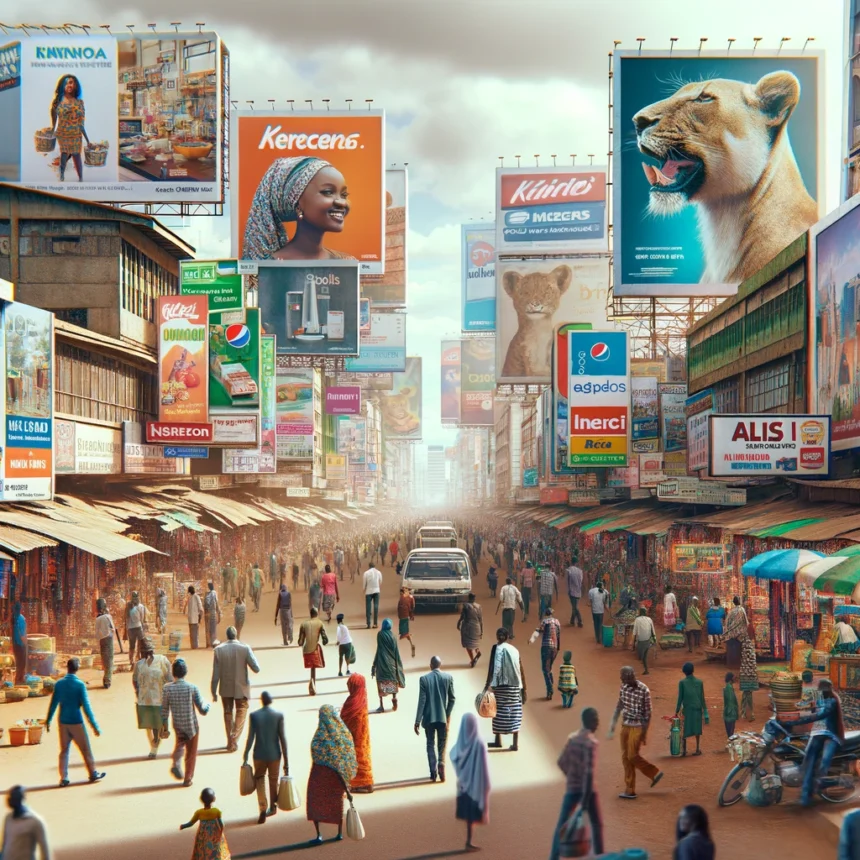
Billboards and outdoor advertising also play a significant role in Kenya’s marketing scene. Strategically placed in high-traffic areas, these visual advertisements capture the attention of passersby, making them effective for brand visibility and product launches.
Print media, including newspapers and magazines, remains relevant, particularly among older demographics. Businesses often use print ads to target specific niches and provide detailed product information.
However, the challenge for traditional marketing in Kenya lies in measuring effectiveness and return on investment. Unlike digital marketing, where analytics provide detailed insights, traditional methods are harder to track.
Innovations like interactive billboards and QR codes on print ads are bridging the gap between traditional and digital marketing, providing more engaging and measurable campaigns.
In conclusion, traditional marketing in Kenya continues to thrive alongside digital methods. By integrating both approaches, businesses can leverage the strengths of each to create comprehensive marketing strategies that resonate with the Kenyan audience.